Introduction
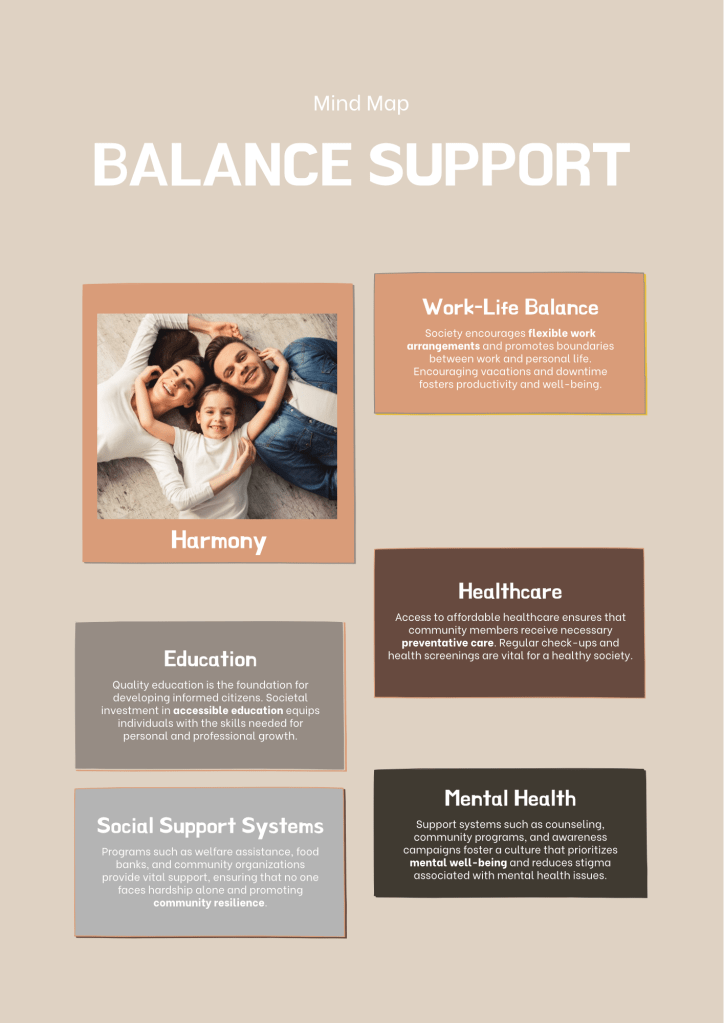
Work-life balance refers to the equilibrium between professional responsibilities and personal life. Achieving this balance is essential for maintaining physical health, mental well-being, and overall productivity. It allows individuals to fulfil career goals while also enjoying personal time, relationships, and leisure activities.
With all the technology we have today, we can streamline work and have more time for our lives.
Importance of Work-Life Balance
- Improved Health and Well-being
Maintaining balance reduces stress, prevents burnout, and promotes better physical and mental health. - Increased Productivity
Employees who manage their time effectively tend to be more focused and efficient at work. - Enhanced Job Satisfaction
A balanced lifestyle leads to greater workplace satisfaction and motivation. - Stronger Relationships
Allocating time for family and friends strengthens personal connections and emotional support systems. - Personal Growth
Time outside of work allows for hobbies, learning, and self-improvement.
Common Challenges
- Long Working Hours: Extended workdays can lead to fatigue and reduced personal time.
- Technology Overload: Constant connectivity blurs the line between work and home life.
- Unrealistic Expectations: High performance demands can create pressure to overwork.
- Poor Time Management: Lack of planning can result in imbalance and stress.
- Workplace Culture: Environments that reward overworking discourage healthy boundaries.
Strategies for Achieving Balance
- Set Clear Boundaries
Define specific work hours and avoid checking emails or messages outside those hours. - Prioritize Tasks
Focus on high-impact activities and delegate or postpone less critical tasks. - Take Regular Breaks
Short breaks during the day improve focus and reduce fatigue. - Use Time Management Tools
Calendars, planners, and productivity apps help organize tasks efficiently. - Communicate with Employers
Discuss workload, deadlines, and flexible arrangements when necessary. - Practice Self-care
Engage in exercise, meditation, or hobbies to recharge mentally and physically. - Disconnect from Technology
Schedule tech-free periods to relax and be present in personal life. - Seek Support
Talk to colleagues, mentors, or counsellors when feeling overwhelmed.
Role of Employers
- Promote Flexible Work Arrangements: Options like remote work or flexible hours support balance.
- Encourage Time Off: Leaders should model and support time off.
- Create a Positive Culture: Recognise achievements and discourage overworking.
- Provide Wellness Programs: Offer resources for mental health, fitness, and stress management.
Benefits to Organizations
- Higher employee retention and loyalty
- Reduced absenteeism and turnover
- Enhanced creativity and innovation
- Stronger company reputation as an employer of choice
Conclusion
Work-life balance is not a one-time achievement but an ongoing process that requires conscious effort and adaptability. By setting boundaries, managing time effectively, and prioritising well-being, individuals can lead more fulfilling lives. Organisations that support balance benefit from healthier, happier, and more productive employees.
Work-Life Balance: Strategies & Practices by Guðbjörg Eggertsdóttir


 7hh.is
You must be logged in to post a comment.