Transformative leadership (often closely related to transformational leadership) is a leadership approach that focuses on inspiring people to achieve meaningful change, develop their potential, and work toward a shared vision. Rather than simply managing tasks, transformative leaders motivate individuals and teams to grow, innovate, and create positive impact. 12
Key characteristics
Inspires and motivates: Encourages people to exceed expectations. 31 Develops others: Invests in personal and professional growth. 24 Encourages innovation: Promotes creativity, learning, and new ideas. 31 Leads by example: Demonstrates integrity, ethics, and commitment. 35
Benefits
- Higher employee engagement and morale
- Greater innovation and adaptability
- Stronger commitment to organizational goals
- Improved individual and team performance 53
Example
A school principal who encourages teachers to adopt innovative teaching methods, supports their professional development, and unites the school around a vision of improving student success is demonstrating transformative leadership.
In one sentence: Transformative leadership is about inspiring people to grow, embrace change, and achieve a shared purpose together. 21
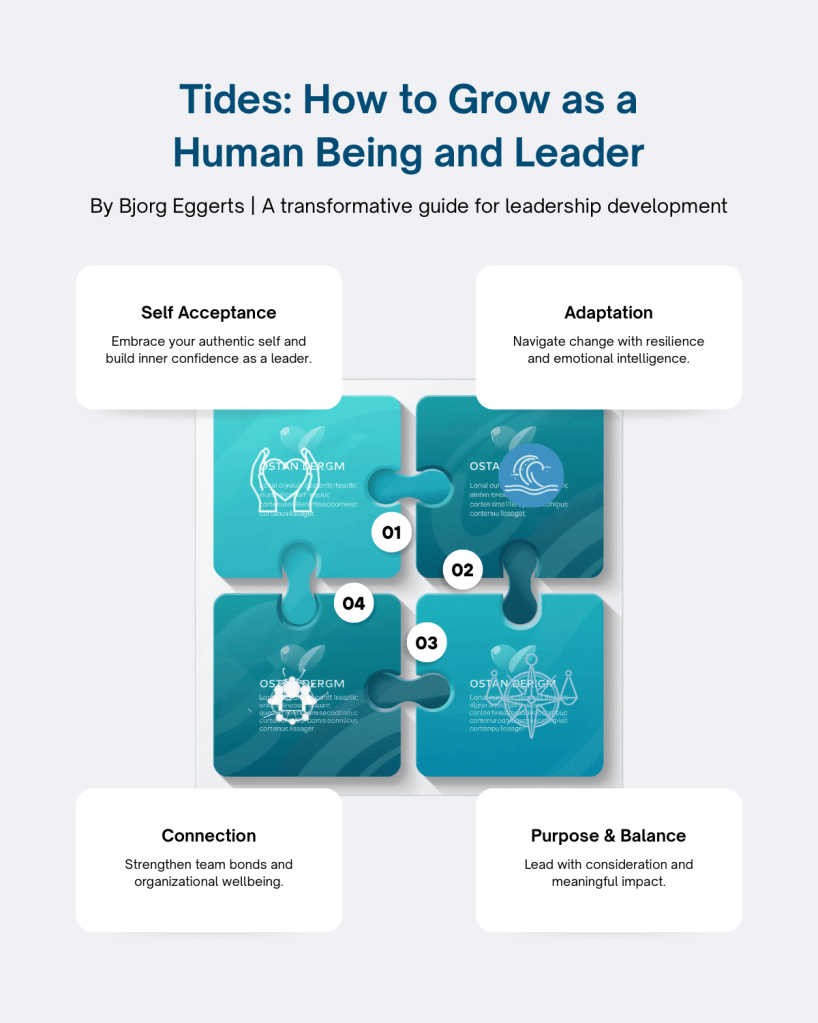
Implementing transformative (transformational) leadership can be highly effective, but it also comes with several challenges:
1. Resistance to Change
People may be comfortable with existing processes and hesitant to adopt new ideas or ways of working. Transformative leadership often requires significant change, which can create uncertainty and pushback. 12
2. Dependence on Strong Leadership Skills
Leaders must be able to communicate a compelling vision, inspire trust, and motivate others. Not all leaders naturally possess these abilities, and developing them can take time. 34
3. Time and Resource Demands
Transformative leaders invest in coaching, mentoring, and employee development. This requires substantial time, effort, and organizational support. 35
4. Balancing Vision with Day-to-Day Operations
A strong focus on long-term transformation can sometimes divert attention from immediate operational needs and routine management responsibilities. This challenge is often discussed in comparisons between transformational and more transactional approaches. 52
5. Maintaining Employee Buy-In
Sustaining enthusiasm for a shared vision over time can be difficult, especially when results are slow to appear or when change creates additional workload. 21
6. Risk of Overreliance on the Leader
When a transformation is strongly associated with one charismatic leader, progress may slow or reverse if that leader leaves the organization. This can make long-term sustainability challenging. This is a common analytical concern about leadership models centered on inspiration and vision.
7. Measuring Success
Outcomes such as increased motivation, innovation, and cultural change can be harder to measure than traditional performance metrics, making it difficult to evaluate progress.
Summary
The biggest obstacles are typically resistance to change, the need for exceptional leadership capabilities, resource requirements, and sustaining commitment over time. Organizations that succeed usually combine an inspiring vision with clear communication, employee involvement, and practical implementation plans. 32
Overcoming resistance to change is one of the most important skills for a transformative leader. The key is to address both the practical and emotional concerns behind the resistance.
1. Communicate a Clear Vision
People are more likely to support change when they understand:
Why the change is necessary
What the expected benefits are
How it aligns with organizational goals
Transformative leaders inspire commitment by creating a compelling shared vision. 12
2. Involve People Early
Resistance often decreases when employees participate in planning and decision-making.
Seek feedback
Invite ideas and concerns
Include key stakeholders in the change process
This creates a sense of ownership rather than imposing change from above. 3
3. Build Trust
Employees are more willing to embrace uncertainty when they trust their leaders.
Be transparent
Follow through on commitments
Lead by example
Transformational leadership emphasizes integrity and ethical behavior as foundations for influence. 42
4. Provide Support and Training
People may resist because they fear failure or lack confidence in new skills.
Offer training programs
Provide coaching and mentoring
Create opportunities for learning
Supporting personal growth is a core element of transformative leadership. 15
5. Address Concerns Openly
Listen actively to objections rather than dismissing them.
Identify the root causes of resistance
Acknowledge legitimate concerns
Respond with facts and empathy
When people feel heard, they are more likely to cooperate.
6. Celebrate Small Wins
Large transformations can feel overwhelming.
Break change into manageable steps
Recognize progress and achievements
Share success stories
Visible results help build momentum and confidence.
7. Create Change Champions
Identify influential team members who support the initiative and can encourage their peers. Peer influence is often more effective than leadership directives alone.
Example
If a company introduces a new digital system, a transformative leader would:
Explain how it improves efficiency.
Involve employees in the rollout process.
Provide training and ongoing support.
Listen to concerns and adjust where possible.
Highlight early successes to build confidence.
In short: resistance is best overcome through clear communication, involvement, trust, support, and consistent reinforcement of the benefits of change. 143
Tip: A useful rule is “inform, involve, and support.” Most resistance decreases when people understand the change, help shape it, and feel capable of succeeding in it.
When implementing transformative leadership or organizational change, the most effective training methods are those that are interactive, practical, and ongoing, rather than one-time lectures.
1. Coaching and Mentoring
Leaders work one-on-one with employees to build confidence, address concerns, and develop new skills. This aligns with the transformational leadership focus on individual development and support. 12
2. Workshops and Interactive Training
Hands-on workshops encourage participation, discussion, and problem-solving. Employees can practice new behaviors and explore how changes affect their work in a safe environment.
3. Experiential Learning
Learning by doing is often more effective than passive instruction. Examples include:
Simulations
Role-playing exercises
Pilot projects
Real-world assignments
These methods help people apply new concepts immediately.
4. Peer Learning
Employees often learn effectively from colleagues who have already adopted the change.
Communities of practice
Peer mentoring
Team learning sessions
This also helps create change champions within the organization.
5. Microlearning
Short, focused learning modules delivered over time can improve retention and reduce overwhelm.
Brief videos
Job aids
Quick tutorials
Mobile learning
6. Collaborative Problem-Solving Sessions
Transformative leadership encourages intellectual stimulation and innovation. Group sessions where employees tackle real organizational challenges can build both competence and commitment. 32
7. Continuous Feedback and Reflection
Training should not end after delivery.
Regular check-ins
Reflection sessions
Progress reviews
Feedback loops
These activities reinforce learning and allow adjustments as challenges arise.
Best Practice
A combination approach usually works best:
Explain the vision and need for change.
Provide interactive training.
Offer coaching and mentoring.
Create opportunities to practice.
Reinforce learning through feedback and peer support.
This approach addresses both the skills gap and the emotional resistance that often accompany major change initiatives. 14
For leadership development specifically, coaching combined with real-world projects is often considered among the most powerful methods because participants learn while actively leading change.
Guðbjörg
bjorg@7hh.is


You must be logged in to post a comment.