Daniel J. Siegel is a clinical professor of psychiatry at the UCLA School of Medicine and the founding co-director of the Mindful Awareness Research Center at UCLA. He’s widely known for his work on interpersonal neurobiology — the study of how relationships and the brain interact to shape our minds.
Daniel Siegel’s idea of intraconnection means that we are not separate, isolated beings — our minds and well-being are deeply linked with others and the world around us.
He explains that the mind is not just what happens inside the brain. Instead, it’s a process that involves the flow of energy and information both within us (our thoughts, feelings, and body sensations) and between us (our relationships and environment). This means that how we connect with others — through empathy, communication, and presence — actually shapes our brain and influences our health.
Siegel calls this understanding “interpersonal neurobiology.” It shows that relationships literally sculpt the brain’s structure and function. When we feel connected, safe, and seen, our brains integrate better — leading to emotional balance, resilience, and compassion.
He also uses the term “MWe” to describe a mindset that blends “me” and “we.” It’s about realizing that our individual identity (me) and our collective belonging (we) are part of one integrated whole. Living with this awareness helps us act with kindness, cooperation, and care for others and the planet.
In short, Siegel’s concept of Intraconnected teaches that mental health and social harmony come from recognizing that we are all part of one interconnected system — biologically, emotionally, and spiritually.
Canva
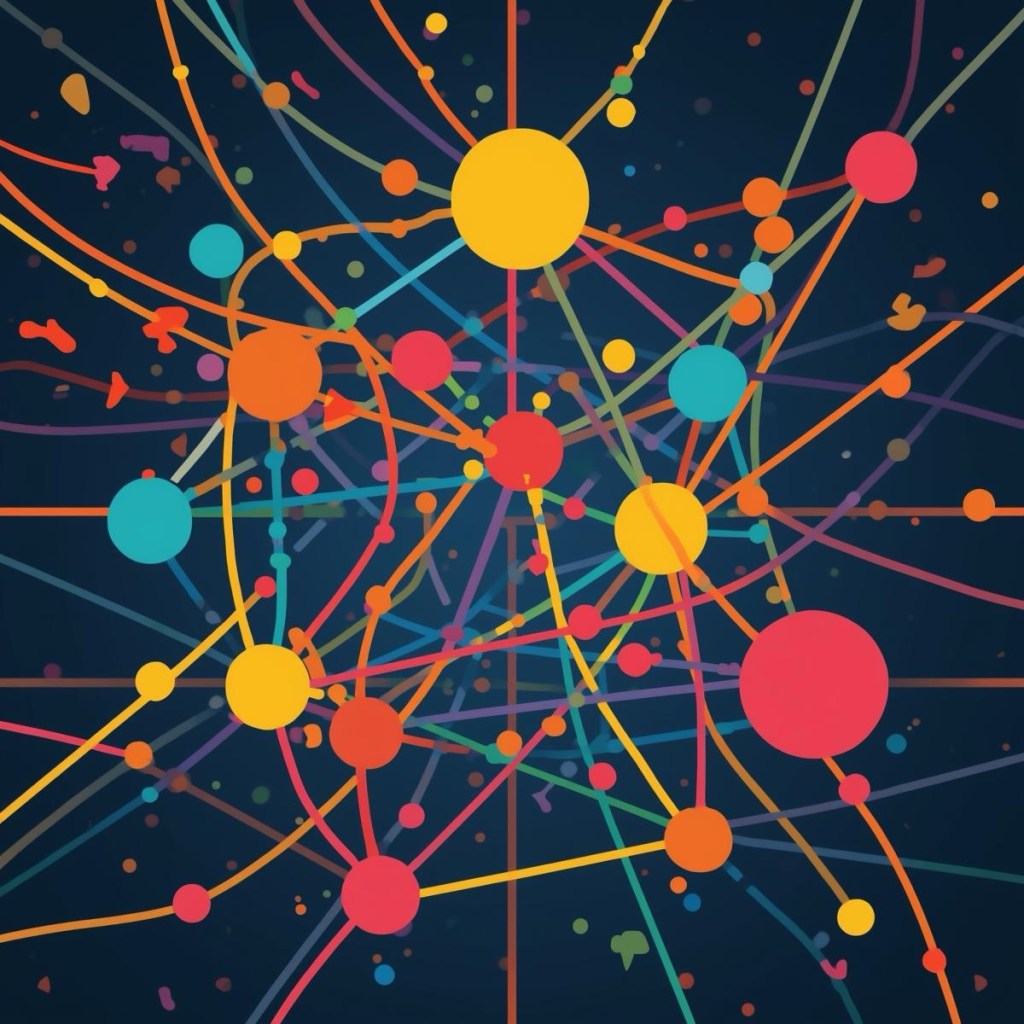
Spiritual connection
Spiritually, our connection can be understood as the recognition that all life shares a common essence — a deeper presence or consciousness that flows through everything. Many traditions describe this as the awareness that beneath our differences, we are part of one unified whole.
From this view, connection isn’t just emotional or social; it’s energetic and existential. When we quiet the mind — through meditation, prayer, or mindful presence — we can sense that the boundaries between “self” and “other” soften. There’s a feeling of belonging to something larger: nature, humanity, or the universe itself.
This spiritual interconnection often shows up as:
- Compassion: Feeling another’s joy or pain as your own.
- Synchronicity: Moments that seem meaningfully linked beyond coincidence.
- Unity consciousness: A sense that everything is part of one living system.
Daniel Siegel’s scientific view aligns with this idea — he describes the mind as a process that connects us internally and relationally. Spiritually, that same process can be seen as the flow of life or consciousness that unites all beings.
Emotional connection
Emotionally, we are connected through our capacity to feel with and for one another. Human emotions are deeply relational — they evolved to help us bond, communicate, and survive together. When we see someone smile, our brain mirrors that emotion; when someone suffers, we can feel their pain through empathy.
This happens because of mirror neurons and other brain systems that allow us to sense and respond to others’ emotional states. Our nervous systems actually synchronize — heart rates, breathing, and even hormone levels can align when we share emotional experiences.
Emotionally, connection means that our inner worlds are not isolated. The way we feel affects others, and their emotions influence us in return. When we experience compassion, love, or understanding, we create a shared emotional field that supports trust and safety.
In essence, emotional interconnection is the invisible web of empathy and resonance that binds us together — reminding us that being human is a shared emotional experience, not a solitary one.
Social
Social connection is the network of relationships and interactions that give us a sense of belonging, support, and shared identity. It’s how we relate to others — through family, friendships, communities, and society as a whole.
From a psychological and biological perspective, humans are wired for connection. Our brains release oxytocin, the “bonding hormone,” when we experience trust, kindness, or cooperation. These connections reduce stress, strengthen immunity, and improve emotional well-being.
Social connection also shapes our sense of self. We understand who we are through our relationships — how others see us, how we contribute, and how we are valued. When we feel socially connected, we experience meaning, safety, and purpose.
In Daniel Siegel’s terms, social connection is part of the interpersonal flow of energy and information that forms the mind. It’s not just about being around people; it’s about feeling seen, heard, and understood — the foundation of healthy communities and compassionate leadership.
Physical connection
Physical connection refers to the ways our bodies interact and communicate through touch, proximity, and shared physical presence. It’s the most tangible form of connection — one that deeply influences our emotional and physiological well-being.
When we hug, hold hands, or simply sit close to someone we trust, our bodies release oxytocin and endorphins, which reduce stress and create feelings of safety and warmth. Physical connection helps regulate our nervous systems — calming the body, lowering heart rate, and fostering a sense of belonging.
Even subtle forms of physical connection, like synchronized movement (dancing, walking together, or breathing in rhythm), can strengthen bonds and create harmony between people.
In a broader sense, physical connection also includes our relationship with the natural world — feeling the ground beneath our feet, the rhythm of our breath, or the warmth of sunlight. These experiences remind us that our bodies are part of a larger living system, not separate from it.
Physical connection, then, is both biological and spiritual — a way our bodies express love, trust, and unity with others and the world around us.
Book
His book Intraconnected: We Thrive When We Are Linked but Not Ranked explores how our sense of self and well-being are deeply tied to our connections with others and the world around us. Siegel challenges the idea of the “solo self” — the notion that we exist as separate, independent individuals — and instead introduces the concept of the “MWe” (a blend of “me” and “we”). This idea emphasizes that personal and collective well-being are inseparable.
The book blends neuroscience, psychology, and mindfulness to show how recognizing our interconnected nature can help reduce isolation, competition, and division. Siegel also discusses how this shift in perspective can foster compassion, cooperation, and a more sustainable relationship with the planet.
Summary of Key Ideas from Intraconnected by Daniel J. Siegel
- From “Me” to “MWe”
Siegel introduces the concept of the MWe — a mindset that integrates the individual self (me) with the collective whole (we). He argues that human thriving depends on recognizing that we are not isolated beings but part of an interconnected web of relationships. - The Illusion of the Solo Self
Modern culture often promotes independence and competition, reinforcing the idea of a separate self. Siegel explains that this “solo self” is a mental construct that leads to loneliness, anxiety, and social fragmentation. Neuroscience shows that our brains are wired for connection — our sense of identity is shaped through relationships. - Interpersonal Neurobiology
Drawing from his field of study, Siegel describes how the mind, brain, and relationships form an integrated system. Healthy development and emotional regulation depend on attuned, empathic connections with others. - Integration as the Basis of Well-being
Integration — linking differentiated parts into a harmonious whole — is central to mental health. This applies both within the brain (connecting different neural regions) and between people (building empathic, respectful relationships). - Mindfulness and Presence
Mindful awareness helps individuals experience the present moment with openness and curiosity. This awareness fosters compassion and helps dissolve the boundaries between self and others, reinforcing the sense of interconnectedness. - A Call for Cultural Transformation
Siegel envisions a shift from hierarchical, competitive systems (“ranked societies”) toward collaborative, compassionate communities. Recognizing our interdependence can lead to more equitable, sustainable, and peaceful ways of living. - Practical Implications
The book offers reflective practices and exercises to cultivate the MWe mindset — such as mindful breathing, perspective-taking, and gratitude — to strengthen empathy and connection in daily life.
Intraconnected: ultimately invites readers to reimagine identity and belonging, showing that personal and planetary well-being are inseparable when we live from a place of shared humanity.
Stay connected
Presentation – The Art of Human Connection by Guðbjörg Eggertsdóttir
If you mean a game related to Daniel Siegel’s idea of interconnection, one simple and meaningful option is a “Connection Web” activity.
How to play:
- Gather a group (in person or virtually).
- One person holds a ball of yarn and shares something they appreciate about another person or something they feel connected to (like nature, music, or kindness).
- They then toss the yarn to that person while holding onto one part of the string.
- The next person does the same, passing the yarn onward.
- As the yarn moves around, a visible web forms — symbolizing how everyone and everything is interconnected.
Afterward, reflect on how the web represents Siegel’s idea that our minds and well-being are shaped by our relationships and shared experiences.
Amazon
 7 H H
7 H H 
You must be logged in to post a comment.